
Getting into photography feels exciting, but you can quickly feel overwhelmed by gear, settings, and endless opinions. You do not need everything at once. You need a clear starting point, some basic knowledge, and the willingness to practice consistently. Focus on building skills first, and you will see real progress.
Choosing Your First Camera
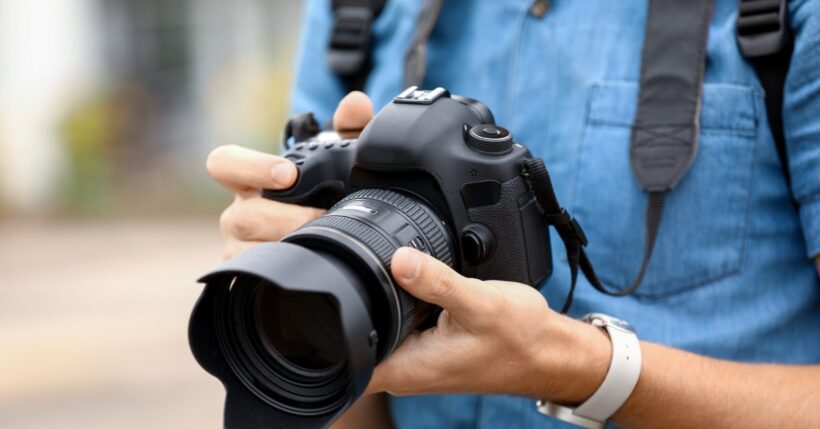
You should pick a camera that fits your budget and feels comfortable in your hands. Mirrorless and DSLR options both work well, so do not stress over brand debates. Start simple. A basic kit lens covers most situations. Avoid chasing high-end specs right away, because your skills matter more than the camera body.
Essential Gear Without Overspending
You only need a few core items to begin. Many beginners waste money by overpaying for camera accessories they rarely use. Stay practical and build your kit slowly.
Start with:
- A reliable camera body
- A versatile lens
- A memory card with enough storage
- An extra battery for longer sessions
- A simple tripod for stability
These basics support most shooting situations and help you learn without distraction.
Learning Camera Settings
You should understand three key settings: aperture, shutter speed, and ISO. These controls shape exposure and influence how your images look. Practice adjusting them in different lighting conditions. Use manual mode when you feel ready, but start with aperture priority or shutter priority to build confidence.
Composition Basics That Work
Good composition turns an average photo into a strong image. Use simple techniques like the rule of thirds, leading lines, and framing. Move around your subject instead of standing still. Pay attention to the background, because clutter can ruin a great shot.
Editing Your Photos
Editing helps you refine your images and correct small mistakes. Use beginner-friendly software like Lightroom or free mobile apps. Adjust brightness, contrast, and color balance with a light touch. Do not overdo edits, because natural results look better and feel more professional.
Practice and Stay Consistent
You improve through regular practice, not occasional bursts of effort. Take your camera with you often and shoot different subjects. Review your photos and identify what works and what needs improvement. Try new ideas, but keep your approach simple at first.
Photography rewards patience and curiosity. You will build confidence as you practice and learn from mistakes. Stay consistent, keep your expectations realistic, and enjoy the process. You do not need perfect gear or advanced skills to start. You only need to begin and keep going.
Understanding Lighting
Light shapes every photograph, so you should learn how to use it effectively. Natural light works great for beginners. Shoot during early morning or late afternoon for softer results. Avoid harsh midday sun when possible. Indoors, position your subject near a window to create even lighting.
Finding Your Style
You develop your style over time by experimenting and noticing what you enjoy shooting. Try portraits, landscapes, street photography, or product shots. Pay attention to colors, angles, and mood. Keep what feels natural and refine it through practice.
Starting photography does not require perfection. You need curiosity, patience, and consistent effort. Focus on learning the basics, use your gear wisely, and keep shooting. Progress will come with time, and you will enjoy every step along the way.