
Body hair is personal. Some people keep it, some people remove it, and some people change their minds depending on the season, the outfit, or whether they have the emotional strength to deal with shaving their ankles again.
For many LGBTQ+ folks, hair removal can also connect to comfort, identity, presentation, and gender expression. If you want to learn more about laser hair removal, keep reading to understand how it works and what to expect.
How Laser Hair Removal Works
Laser hair removal uses concentrated light to target pigment in the hair follicle. The laser energy converts to heat, which damages the follicle enough to reduce future growth. The goal is hair reduction, not magic-wand smoothness after one visit.
Hair grows in cycles, and lasers work best when the hair is in the active growth phase. Since not every hair gets the memo at the same time, most people need multiple sessions over several weeks. This is why one appointment will not usually transform anyone into a slippery dolphin, no matter how determined they feel.
Why The Type of Laser Matters
Different laser systems work in different ways, and providers choose settings based on hair color, skin tone, treatment area, and sensitivity. Most clinics prefer diode lasers for hair removal because they can target follicles efficiently, while built-in cooling features help reduce discomfort during treatment. These lasers are also beneficial for customers because they act faster than others, so it’s a shorter appointment time for you.
What the Appointment Feels Like
Now that we know how laser hair removal works, what can you expect? Most people describe the sensation as a quick snap, like a rubber band with a tiny attitude problem. The upper lip, bikini area, underarms, and face can feel more intense because the skin there has more nerve endings or denser hair growth.
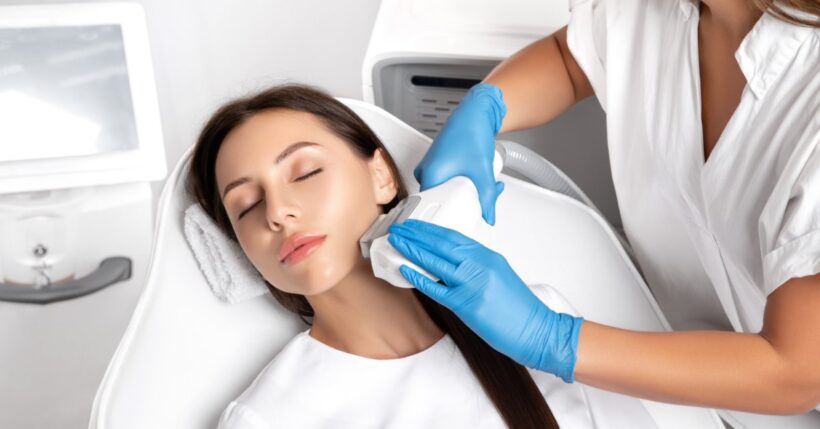
A provider may shave the area before treatment, apply cooling, adjust the device settings, and give eye protection. Sessions can take a few minutes for small areas or longer for larger areas, such as legs, backs, or chests. Afterward, the skin may look red or feel warm, like a mild sunburn.
What To Do Before Treatment
Before starting, schedule a consultation with a qualified provider with experience treating different skin tones, hair types, and sensitive areas. Ask what device they use, how they adjust settings, what side effects to expect, and whether your medications or skincare products create any concerns.
Most providers ask clients to avoid waxing or plucking before treatment because the laser needs the follicle intact. Shaving usually works better because it leaves the root in place while clearing hair above the skin. People may also need to pause exfoliating acids, retinoids, tanning, or certain products before appointments.
What Results To Expect
Results vary. Hair may grow back finer, lighter, slower, or patchier after several sessions. Some people see a major reduction, while others need maintenance treatments. Hormones can also influence growth, which matters for anyone taking gender-affirming hormone therapy, managing PCOS, or dealing with other hormone-related changes.
Laser hair removal does not erase anyone’s body history, and it does not define gender, beauty, cleanliness, or confidence. It is simply a tool. For some, it supports smoother skin. For others, it is just a practical way to spend less time shaving and more time doing literally anything else.
Choosing A Provider With Care
A good clinic should explain risks clearly, respect your identity, and avoid making assumptions about your body or goals. No one should misgender you, shame your hair, or treat your questions like an inconvenience. The right provider will talk through expectations, consent, comfort, aftercare, and pricing before beginning treatment.
Hair removal can feel vulnerable, especially when it involves areas that connect to gender expression, dysphoria, or intimacy. A respectful provider makes that experience more informed, safer, and less awkward. The laser may zap the follicles, but basic human decency should come standard.