
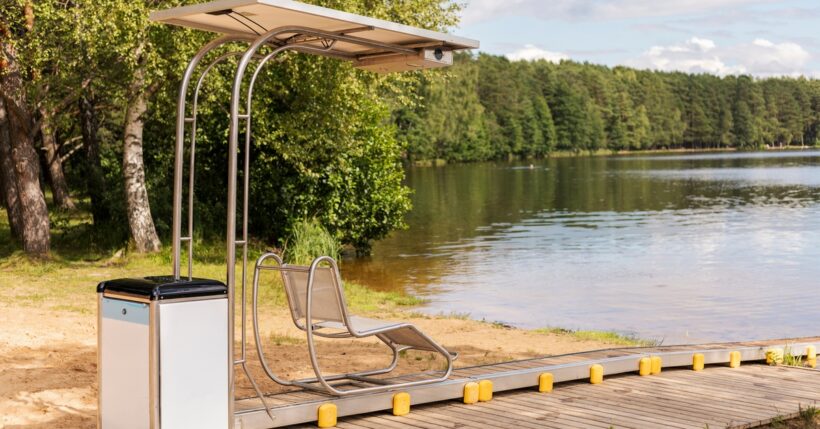
Public parks carry a strange social role because they are meant for everybody, yet many people still enter them wondering whether they truly belong there. A quiet trail may feel freeing for one visitor while someone else spends the entire walk calculating safety, visibility, or how loudly they can exist without attracting attention. That tension sits at the center of pride, parks, and the need for inclusive spaces, especially as cities place more attention on outdoor culture and wellness.
For queer travelers, disabled visitors, and people seeking community outside crowded urban settings, outdoor spaces carry emotional weight that rarely appears in tourism campaigns. The bench beside the lake matters, although the feeling of being welcomed there matters more.
Parks Reflect the Communities Around Them
People speak about nature as though it exists outside politics, but public spaces reflect the same social dynamics found everywhere else. A park with poor lighting, inaccessible trails, or limited transportation quietly tells certain visitors they were never part of the original design. Queer communities have long created gathering spaces wherever they could because visibility in public still carries meaning beyond simple recreation.
Accessibility Changes More Than Convenience
Physical accessibility tends to enter conversations as a checklist item, although it shapes emotional comfort just as much as convenience. A steep gravel path may look charming in a tourism photo, yet it immediately excludes visitors using mobility aids, parents pushing strollers, or travelers recovering from injuries. Modern outdoor design has gradually shifted toward spaces that feel open instead of intimidating, and projects like the floating boardwalk in Saskatchewan reflect that broader movement toward adaptable public walkways.
The concept sounds slightly futuristic, although the appeal comes from something simple because more people can comfortably experience the landscape without feeling physically shut out. That kind of accessibility changes social dynamics since a wider mix of visitors can occupy the same environment without barriers shaping the experience beforehand.
Shared Outdoor Spaces Create Connection
One of the funniest things about public parks is how quickly strangers begin acting like temporary neighbors once everybody settles into the same environment. Someone comments on a dog wearing tiny rain boots, another person offers directions after watching somebody stare hopelessly at a map, and suddenly a public walkway feels communal.
Inclusive spaces encourage those interactions because people relax when they feel safe enough to occupy public space comfortably. Communities built around diversity rarely form through polished campaigns because they grow through ordinary moments where different people share the same environment without tension dominating every interaction.
A Better Future Starts With Shared Ground
The conversation around pride, parks, and the need for inclusive spaces ultimately comes down to belonging. Public environments influence who feels visible, who feels safe, and who gets to participate in ordinary moments without carrying extra emotional weight into the experience.
Inclusive outdoor spaces do not require dramatic slogans or endless branding campaigns. They require thoughtful planning, wider accessibility, and a willingness to recognize that community can grow almost anywhere people feel comfortable enough to stay awhile.