
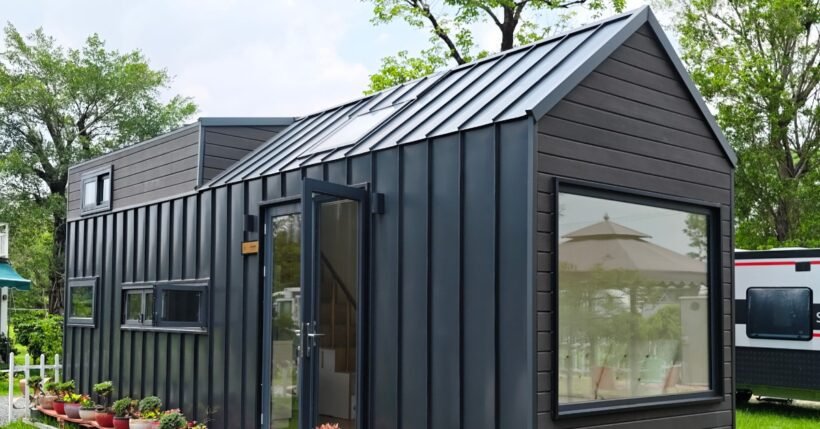
For LGBTQ+ adults who have spent years navigating expectations about how they should live, the idea of home can carry emotional weight. Finding a place to feel comfortable may involve questioning traditional assumptions about relationships or what a successful adult life should look like. The size of a home matters less when its surroundings don’t support the person living there.
That connection between housing and personal autonomy explains why tiny house living appeals to LGBTQ+ adults seeking alternatives to conventional homeownership. Although compact living isn’t suitable for everyone, it can encourage people to reconsider their housing needs and create environments that reflect their circumstances.
Looking Beyond Traditional Housing Milestones
Conventional ideas about adulthood frequently emphasize purchasing a spacious house, establishing a permanent residence, and following a familiar family structure. For LGBTQ+ adults whose lives don’t necessarily follow those expectations, pursuing the same milestones may feel disconnected from their priorities. A large suburban home might represent stability to one person while creating unnecessary financial obligations for someone who values a different lifestyle.
Tiny house living challenges the assumption that personal achievement requires increasingly larger living spaces. Someone who prefers living independently may find satisfaction in owning a manageable property, while a couple without plans for a conventional household might appreciate the simplicity of a compact residence. The attraction comes from evaluating housing according to its usefulness, allowing residents to establish their own measures of success.
Designing a Space Around Everyday Life
Limited square footage encourages homeowners to examine how they use their surroundings, particularly when conventional floor plans include rooms that rarely serve a purpose. A person who works creatively might prioritize a dedicated workspace, while someone who enjoys cooking could allocate additional room to the kitchen. These decisions shape a home around an established routine.
Personal expression can influence these choices as well, especially for LGBTQ+ adults who haven’t always felt comfortable displaying their identities in previous living environments. Decorating without worrying about disapproving housemates or creating a private space for a partner can make everyday life more comfortable. Although a smaller footprint limits certain design possibilities, thoughtful layouts can accommodate meaningful features without requiring an expansive property.
The challenge involves distinguishing between possessions that genuinely contribute to daily comfort and those kept primarily out of habit. Downsizing doesn’t require abandoning treasured belongings, but residents must decide which items deserve space and how their surroundings can accommodate them.
Building Connections Beyond the Front Door
For LGBTQ+ adults who rely on chosen family for emotional connection, a home’s value extends beyond the relationships within its walls. Close friends may provide companionship and acceptance that biological relatives cannot always offer, making proximity to supportive people an important housing consideration. A tiny house located near those relationships can feel more welcoming than a larger property in an unfamiliar community.
Compact interiors may require residents to approach social gatherings differently, particularly when they enjoy hosting friends. Outdoor seating areas or shared community spaces can provide opportunities to spend time together without expecting a small living room to accommodate every occasion. Although limited square footage can make entertaining more complicated, residents can still create welcoming environments that encourage meaningful connections with the people who matter to them.
Making Financial Choices That Support Personal Goals
Housing expenses influence the opportunities people can pursue, particularly when mortgage payments or property maintenance consume a substantial portion of their income. For LGBTQ+ adults considering career changes or seeking greater financial independence, a smaller home may provide an appealing alternative to conventional ownership. Lower construction costs and reduced utility demands can create potential savings, depending on the property’s design and location.
However, purchasing a tiny house doesn’t automatically produce a more affordable lifestyle. Land acquisition, financing restrictions, insurance expenses, and utility connections can substantially increase the investment. Some municipalities impose minimum dwelling sizes or restrict where residents can legally occupy tiny homes, making careful financial planning necessary before purchasing one.
The potential advantage comes from aligning housing costs with broader personal goals. Someone might prefer directing additional income toward travel or building financial security, while another person may value reducing the number of hours needed to support their household. A tiny house becomes financially worthwhile when its complete ownership costs support those objectives without introducing expenses that undermine the original decision.
Finding a Location That Feels Like Home
Choosing where to live can carry additional considerations for LGBTQ+ adults who want their surroundings to support their relationships and personal identities. A desirable location may offer proximity to supportive friends, employment opportunities, or an established queer community. However, housing availability and local regulations can complicate the search, particularly when prospective residents want to place a tiny house on privately owned land.
Certain tiny houses offer relocation possibilities, although their mobility depends on construction methods and transportation requirements. Moving a structure to another property involves evaluating road access, legal restrictions, and whether the destination can accommodate the home. Owners must distinguish between experienced transport professionals and unreliable tiny house moving companies before committing to a relocation.
Even when transportation is feasible, the new location must meet applicable zoning and residential occupancy requirements. Prospective residents should investigate those rules before purchasing land or arranging a move, since a welcoming community doesn’t necessarily permit every type of compact dwelling. Finding a suitable location requires balancing personal comfort with the practical conditions that make long-term residence possible.
Recognizing When Smaller Living Isn’t the Right Fit
Despite its advantages, compact housing can create difficulties for people whose daily routines require greater separation between activities. Couples with conflicting schedules may struggle to find privacy, particularly when one person works remotely while the other needs quiet time. Without sufficient room for independent activities, an appealing minimalist lifestyle can gradually become frustrating.
Accessibility deserves equally careful attention because many tiny house designs incorporate lofted sleeping areas or narrow passageways. Residents with mobility limitations may need single-level layouts and bathrooms that accommodate their physical requirements. Considering these features before purchasing a home can prevent expensive modifications when circumstances change.
The realities of small-space living extend to storage and maintaining personal boundaries within shared environments. People who enjoy collecting books or pursuing equipment-intensive hobbies may discover that reducing their possessions creates more frustration than satisfaction. A successful housing choice should accommodate someone’s actual lifestyle without requiring constant compromises that diminish everyday comfort.
Creating a Home That Reflects Who You Are
Choosing an unconventional home doesn’t automatically create a more fulfilling life, and LGBTQ+ adults have diverse preferences when it comes to housing. Some may appreciate the manageable responsibilities of a compact residence, while others need additional space to accommodate family members or personal interests. Neither approach carries greater value simply because it challenges traditional expectations.
Ultimately, the appeal of tiny house living for LGBTQ+ adults comes from the opportunity to examine what makes a home comfortable and personally meaningful. When housing decisions reflect genuine needs and supportive surroundings, residents can create places where they feel accepted without measuring their success against someone else’s expectations.