
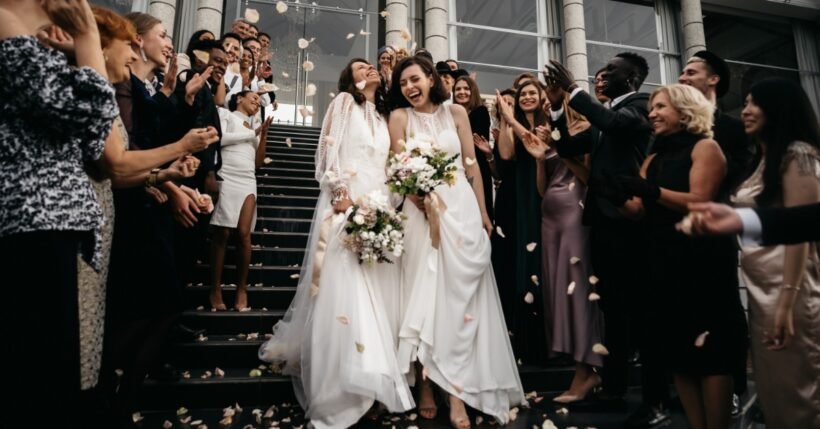
You want your wedding to feel like you. You also want guests to feel welcome, whether they’re lifelong friends or relatives still learning how to support your relationship. Then the estimates arrive. Suddenly, the celebration you pictured comes with a price tag you never expected.
If you’re planning an inclusive wedding on a small budget, start with how people will experience the day, not how the photos will look. A thoughtful guest experience doesn’t require luxury spending.
Decide What Deserves Your Wedding Money
Before touring venues, sit down with your partner and name the parts of the day you care about most. Perhaps you want a ceremony where your chosen family plays a meaningful role. Your partner might care more about having enough time to talk with guests instead of racing through a packed reception schedule.
Those priorities should shape the budget. If gathering everyone for dinner matters more than elaborate flowers, prioritize the food budget. Consider a smaller guest count if the numbers feel uncomfortable!
Choose a Venue After Counting the Extra Costs
A relative’s backyard sounds affordable until you start pricing everything the property lacks. An outdoor ceremony might need a tent if the weather threatens the plans. You also need reliable electricity for music after sunset.
Ask each venue what its quoted price includes before paying a deposit. A community hall might look less romantic in the listing photos, but existing tables could save you a significant rental expense. You can personalize the room with borrowed decorations instead of paying for a space.
Compare the Full Day, Not the Rental Fee
Request written estimates for the same number of guests and event hours. Check whether the venue charges extra for cleanup. Ask who handles setup and whether you must hire its preferred vendors.
A location with a higher starting price sometimes costs less overall once you factor in what the venue supplies. The right choice depends on your actual event plans, not the headline price.
Ask Vendors How They Work With Queer Couples
An inclusive celebration depends partly on the people helping you run it. You deserve vendors who respect your relationship without turning every meeting into an explanation of your identity.
During an introductory call, describe your plans and listen to how the vendor responds. Does the photographer ask what names and pronouns you use? Does the coordinator understand your ceremony without assigning traditional gender roles?
You don’t need to hire a vendor solely because their website mentions inclusion. Ask whether they’ve worked with queer couples and how they handle family dynamics when someone challenges the couple’s wishes. Their answers should give you confidence in their professionalism.
Make Invitations Clear Without Making Them Formal
Invitations don’t need expensive paper to make guests feel welcome. A simple digital invitation gives you space to explain the celebration without relying on traditional bride-and-groom wording.
Use the names you and your partner prefer. If your event includes a ceremony and a separate reception, explain where guests should go and when they should arrive. You could also tell people what to wear in practical terms rather than assigning gender-based dress expectations.
Be thoughtful about plus-ones! Some guests have partners who don’t fit other people’s assumptions about relationships.
Include Accessibility in Your First Venue Visit
An affordable wedding loses some of its appeal if guests struggle to reach the ceremony. Check access before committing to a venue, particularly when you plan to celebrate outdoors.
Walk the route from parking to the main gathering area. A grassy path might look lovely in photographs but become difficult for someone using a wheelchair after heavy rain. Ask whether the venue offers a firm, accessible route and where guests with limited mobility could sit.
Keep Food Simple Without Overlooking Guest Needs
You don’t need a formal three-course dinner for everyone to enjoy the reception. A buffet from a local restaurant might fit the budget better than a traditional wedding catering package.
Choose a meal style you and your partner genuinely enjoy. If you love a neighborhood taco restaurant, ask whether it offers event service and what the minimum order includes. The menu will feel more personal than a costly dinner chosen solely because it’s customary at weddings.
Still, ask guests about dietary requirements when they RSVP. If someone needs a gluten-free meal because of celiac disease, confirm how the caterer prevents cross-contact rather than assuming removing bread solves the problem.
Check Restroom Access Before Hosting Outdoors
Outdoor venues sometimes have limited restroom facilities. A backyard celebration with dozens of guests might strain the home’s bathrooms, especially when everyone stays for several hours.
One of the main benefits of dedicated restrooms for wedding guests is improving comfort at your chosen location. Rental options differ in accessibility and layout, so ask providers specific questions before booking.
For a queer-inclusive event, look for private options people use comfortably without worrying about gender labels. Accessibility also deserves its own check. A single-user restroom doesn’t automatically provide wheelchair access.
Let the Ceremony Tell Your Story
You don’t have to follow traditions that don’t reflect your relationship. Perhaps you both want to walk into the ceremony together. You might prefer to enter separately with friends who supported you through difficult years.
Talk with your officiant about the words they plan to use. A familiar phrase from a traditional wedding script might feel out of place. Replace it with language that describes your commitment in a way you both recognize.
Protect the Budget as Plans Change
Wedding expenses often grow through small decisions. One extra rental chair seems harmless until the guest list changes again.
Keep a shared budget with your partner and review it before making new deposits. Use one simple checkpoint whenever plans change:
- Confirm the updated total, including taxes and service fees.
- Check whether the purchase supports an agreed priority.
- Ask whether an existing item or venue service covers the need.
- Keep some money uncommitted for unexpected expenses.
When a new idea appears, give yourselves a day before spending. If it still feels important afterward, decide together which expense you’ll adjust to accommodate it.
As you finish planning an inclusive wedding with a small budget, focus on the decisions that reflect your values. You deserve a celebration that respects your relationship without unnecessarily straining your finances. A clear budget and thoughtful guest arrangements leave more room to enjoy the people who came to celebrate with you.