
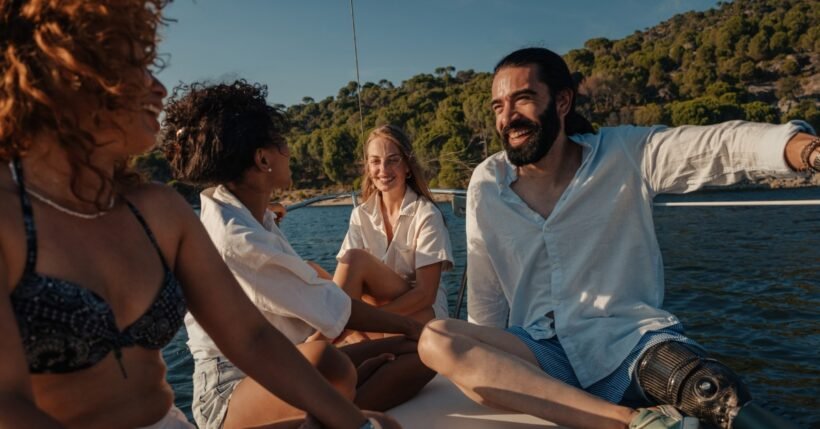
Some of the most memorable social experiences happen when people leave their usual surroundings and spend time doing something together. A day on the water offers that opportunity, whether friends gather for a boat ride, families enjoy an afternoon at the lake, or people from different backgrounds discover a shared interest in outdoor recreation.
Part of why a day on the water brings people together is the way it changes ordinary social interactions. Away from familiar routines, people have more opportunities to connect through shared experiences. For LGBTQ+ individuals and their chosen families, those moments can carry meaning when they provide space to relax and enjoy one another’s company.
A Different Setting Changes the Social Dynamic
When friends spend most of their time together in familiar places, their conversations and activities can settle into predictable patterns. Someone might always organize dinner, while another person chooses the entertainment. Although those routines provide comfort, experiencing a different environment can give everyone an opportunity to interact in new ways.
Spending an afternoon near the water introduces activities that encourage people to participate together. Whether a group decides to swim, take a leisurely boat ride, or simply enjoy the view from shore, the experience gives everyone something to share. Conversations may develop naturally around what people notice or enjoy, creating interactions that feel different from their usual gatherings.
Shared Experiences Create a Sense of Belonging
For many LGBTQ+ individuals, meaningful relationships extend beyond traditional family structures. Chosen families can provide friendship and mutual support, particularly for people who have experienced rejection or struggled to find acceptance elsewhere. Spending recreational time together gives these relationships another opportunity to grow through enjoyable experiences.
A lake outing can become a tradition that people look forward to throughout the year. Friends might return to the same destination each summer or invite new members of their social circle to join them. The activity itself does not need to be elaborate to feel meaningful.
When everyone feels comfortable participating, the gathering reinforces a simple but important message: their company matters. These experiences allow people to celebrate their relationships through ordinary moments of enjoyment without needing a special occasion to bring everyone together.
Activities Give Everyone Something To Share
Although conversation forms an important part of social gatherings, some people find it easier to connect when they have an activity to focus on. Recreational experiences create natural opportunities for interaction without requiring everyone to maintain a constant conversation. People can participate according to their interests while enjoying the same surroundings.
Boating offers one example because it allows groups to experience a destination together while discovering places they might not encounter from shore. Destinations such as Michigan’s top lakes for boating enthusiasts illustrate the range of settings available for water-based recreation. A group can choose an outing that suits its experience level and preferences, making the shared activity part of a larger day spent together.
Time Away From Screens Encourages Conversation
With smartphones occupying so much attention during ordinary gatherings, spending time outdoors can create opportunities to engage more fully with the people nearby. Friends who usually communicate through messages or social media may appreciate an afternoon when their conversations unfold without the interruptions that accompany daily routines.
Being near the water does not automatically remove digital distractions, but a group can choose to give the experience its attention. Watching the shoreline from a boat or sitting together after swimming provides natural moments for conversation. Some discussions may remain lighthearted, while others become more personal because people have the time to listen without feeling pressured to move on to another activity.
Those conversations can strengthen connections in ways that brief digital exchanges sometimes cannot. When friends have the freedom to talk without constantly checking the time, they may discover new interests or perspectives that deepen their appreciation for one another.
Different Comfort Levels Can Strengthen Group Connections
Not everyone arrives at a lake with the same interests or experience. One person may feel completely comfortable on a boat, while another has never spent much time around open water. Those differences can influence how a group plans its activities, particularly when participants have different physical abilities or personal preferences.
Giving everyone a voice in those decisions makes the experience more enjoyable. Someone who prefers staying on shore can still participate in a picnic or lakeside gathering, while others might enjoy boating or swimming. When friends respect one another’s boundaries, they demonstrate that belonging does not depend on participating in every activity.
For groups that include people with different accessibility needs, thoughtful planning can make participation easier. Considering available facilities and transportation before the outing allows everyone to make informed decisions about what feels comfortable. The goal is to create an enjoyable experience without expecting every participant to engage in exactly the same way.
Water Activities Bring Different Generations Together
Because lakes offer recreational opportunities for people with different interests and abilities, they can provide a comfortable setting for multigenerational gatherings. Younger participants might gravitate toward swimming, while older relatives prefer a boat ride or an afternoon enjoying the scenery. These preferences do not have to separate the group when everyone has opportunities to spend time together.
For LGBTQ+ families, intergenerational outings can create valuable opportunities to share experiences across different stages of life. Older LGBTQ+ adults may have perspectives shaped by decades of social change, while younger generations bring their own experiences of identity and community. A relaxed gathering gives those conversations room to develop naturally, without making anyone feel obligated to discuss personal subjects.
Small Moments Become Lasting Memories
When people remember a favorite outing, the details that stay with them are not necessarily the ones they planned. An unexpected conversation during a boat ride or a funny moment between friends may become the story everyone brings up at future gatherings. Shared memories develop through the personal interactions that take place alongside the activity.
Returning to those memories can strengthen relationships because they give people experiences that belong to their group. A photograph from an afternoon at the lake might remind friends of a joke they still share, while a familiar shoreline brings back memories of someone who joined them years earlier.
Making Room for More Meaningful Connections
Although social gatherings can take countless forms, why a day on the water brings people together has less to do with the destination itself than with the interactions it encourages. A change of scenery gives people an opportunity to participate in something enjoyable while experiencing their relationships outside familiar routines.
For LGBTQ+ communities, chosen families, and anyone who values meaningful friendships, recreational outings can become another way to celebrate the people who make life richer. The best moments do not require an elaborate itinerary or a particular type of adventure. Sometimes, spending an afternoon beside the water with people who appreciate one another is enough to create a memory worth keeping.