
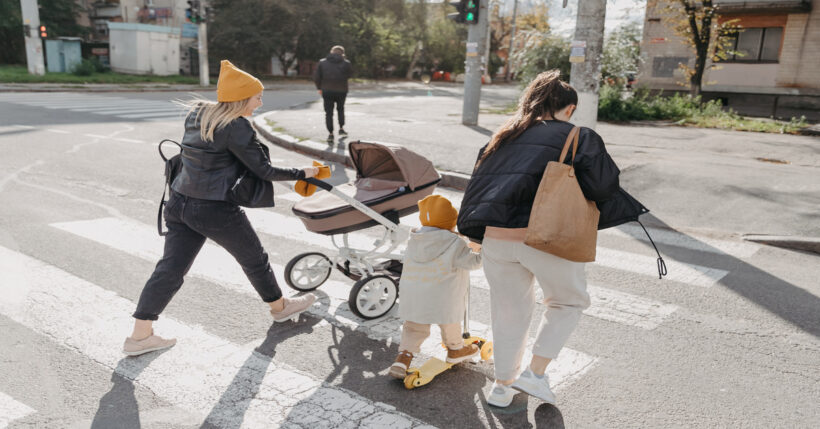
Watching your child grow and gain independence brings both joy and worry, especially when they start exploring the world on their own. As a parent, your natural instinct is to protect them. While you cannot control every driver on the road, you can equip your child with the knowledge they need to stay safe. Teaching them specific behaviors and rules empowers them to make smart decisions when you aren’t right by their side.
We know this topic can feel overwhelming. The thought of your child navigating traffic alone is frightening. But taking a calm, structured approach to these lessons will build confidence for both of you. Here are the essential road safety tips that parents should teach to their kids to help keep them secure.
Cross the Street at Designated Areas
Children often do not understand the speed or distance of oncoming vehicles. They might assume a car can stop instantly just because the driver sees them. You must explain that this isn’t true. Teach your children to always use designated crosswalks, intersections, or traffic lights.
Walk them through the process physically. Stop at the curb, look left, right, and left again. Explain why you do this. Tell them to make eye contact with drivers before stepping off the curb to ensure the driver sees them. Emphasize that they should never cross from between parked cars, as this makes them invisible to moving traffic. By practicing this routine together, you instill a habit that becomes second nature.
Stay Focused and Avoid Distractions
Modern technology offers many benefits, but it also poses significant risks for pedestrians. Kids often walk while looking at phones or listening to music with headphones. This reduces their awareness of their surroundings. Therefore, one of the most important road safety tips that parents should teach to their kids is to stay off their phones while crossing the street.
Explain to your child that their eyes and ears are their best tools for safety. When they are near a road, phones should stay in pockets, and headphones should come off. Encourage them to pay attention to the sounds of engines, sirens, and horns. Being alert allows them to react quickly to unexpected situations. Model this behavior yourself; when you walk with them, stay off your phone and focus on the environment. This shared practice reinforces the importance of full attention.
Follow Traffic Signals Strictly
Traffic lights and signs exist to create order, but children need to understand exactly what they mean. Explain that a green light for a car means the car has the right of way, and a “walk” signal for a pedestrian means it is their turn.
Patience is a critical safety skill. Teach them to wait for the pedestrian signal, even if the road looks empty. Explain that drivers sometimes run red lights or make illegal turns, so even with a walk signal, they must look both ways before stepping out. This extra layer of caution protects them from driver error.
Prepare for the Unexpected
Despite your best efforts, accidents can still happen. This is a scary thought, but knowing how to react is important. You should have a calm conversation about emergency procedures. Make sure they know how to call 911 and have your contact information memorized.
We hope you never need this information, but understanding what you can do if your child is hit by a car, such as seeking immediate medical attention and contacting legal support, can provide clarity during a chaotic moment. Your primary goal is prevention, but preparation offers peace of mind. By consistently reviewing these rules and practicing them together, you give your child the tools to navigate the world safely and confidently.