
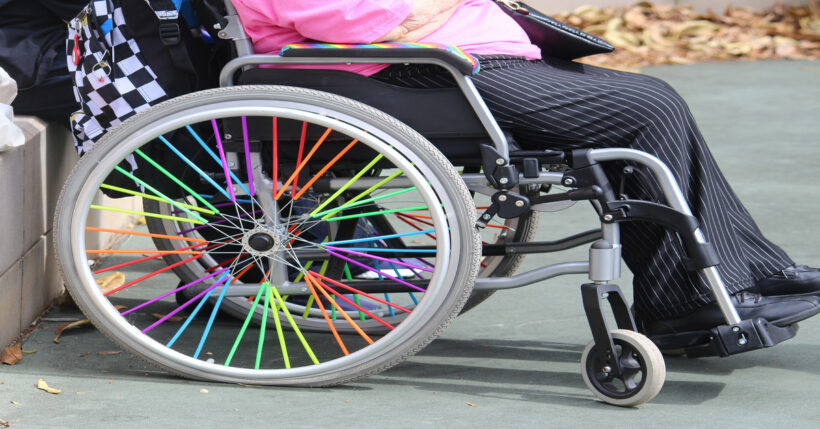
Spring and summer bring barbecues, festivals, and family reunions. But outdoor venues often present barriers for guests with disabilities. Uneven terrain, lack of shade, and poor lighting can unintentionally exclude friends and neighbors. Learning how to make your outdoor event more accessible ensures every guest can participate fully and safely.
Here are practical ways to remove barriers and create a welcoming environment for everyone.
Evaluate the Terrain
The ground surface determines who can move freely at your party. Grass, sand, loose gravel, and wood chips pose challenges for people using wheelchairs, walkers, or canes.
Choose a venue with paved, flat pathways whenever possible. If you must host the event on grass, rent temporary accessible flooring to create a solid route to key areas such as the buffet, restroom, and seating. Keep these pathways at least 36 inches wide so guests can maneuver easily. Also, cover all electrical cords with high-visibility cable ramps to prevent tripping hazards.
Prioritize Shelter and Seating
Heat and direct sunlight affect some individuals more severely than others, including older adults and people with certain medical conditions. You must provide shaded areas for relief. One of the top tips for hosting a neighborhood block party is to rent tents to protect guests from the elements. A sturdy tent offers a cool retreat and defines the party space.
Seating matters, too. Picnic benches are difficult for many people to use. Offer a variety of seating options, including chairs with firm backs and armrests, so guests have support.
Improve Communication and Signage
Accessible events require clear communication. Use large, high-contrast fonts on all signs so people with low vision can read them easily. Good lighting is also essential for evening events; ensure paths and bathrooms remain well-lit after the sun goes down so guests can see sign language interpreters or read lips.
Consider Sensory Needs
Loud music and bright, flashing lights can overwhelm guests with sensory processing differences. Designate a quiet zone located away from the main action where people can decompress if the environment becomes too stimulating.
Creating an inclusive atmosphere requires thoughtful preparation, but the payoff is a celebration where everyone belongs. When you make your outdoor event more accessible, you build a stronger, more connected community. Your guests will notice and appreciate the effort you took to make them feel comfortable.