
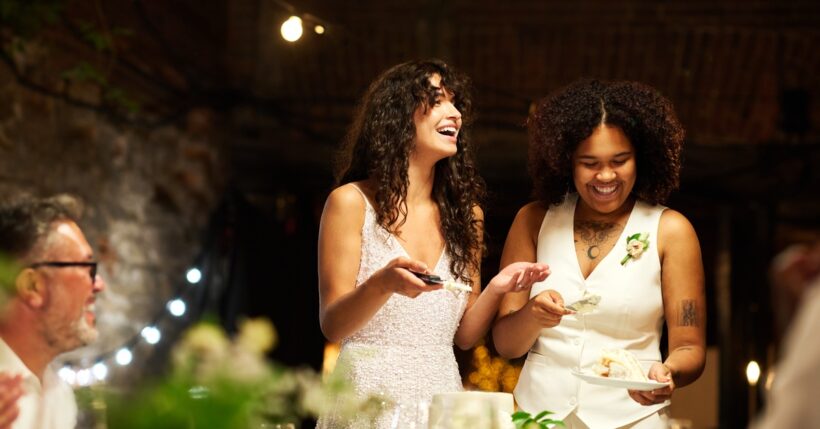
Weddings have always been about love, but love rarely fits into a single definition. Queer communities have long built families through friendship, solidarity, and survival. That makes inviting found family to your wedding less of a trend and more of a truth. Your guest list can reflect the people who showed up when it mattered most.
Here’s how to assemble your guest list with intention and heart.
Honor the People Who Showed Up
Blood ties don’t automatically equal emotional closeness. Some friends held your hand during tough conversations, breakups, or late-night identity crises. Those moments count.
Start your guest list with the people who actively shaped your life. Weddings feel more grounded when the room is filled with genuine support rather than social obligation.
Have Honest Conversations With Relatives
Family dynamics can get complicated fast. Clear communication keeps drama from overshadowing joy.
Explain that your wedding reflects your real life. Chosen family is a lived reality. Calm, direct conversations prevent awkward surprises on the big day.
Create Roles Beyond Tradition
Bridal parties don’t have to follow rigid gender norms. Mixed-gender wedding parties or no formal party at all can work beautifully.
Give meaningful roles to friends who feel like siblings. Readings, officiating, speeches, or walking down the aisle together all reinforce their place in your story.
Design a Space That Welcomes Everyone
Physical comfort shapes emotional comfort. Restrooms, seating, and flow matter more than people expect.
Venues often need additional facilities. A 2-stall trailer may be the perfect choice for your event, but before you secure the rental, you need to think about the guest count and flow of your reception. Accessibility, privacy, and inclusivity should guide every decision.
Gender-neutral restroom signage ensures that your event communicates belonging to every member of your found family.
Balance Intimacy and Celebration
Large weddings can feel overwhelming, especially when found family includes coworkers, activist circles, and long-time friends.
Consider hosting smaller pre-wedding gatherings if that would be more comfortable. A casual dinner or game night gives your inner circle focused time together. That intimacy can make the larger celebration feel less chaotic.
Be Mindful of Seating Dynamics
Seating charts require strategy when biological relatives and chosen family mix. Thoughtful placement prevents tension.
Avoid isolating anyone who may feel out of place. Community thrives when everyone feels anchored in the space.
Celebrate Your Story Out Loud
Ceremonies don’t have to follow scripts written decades ago. Personal vows create space to acknowledge the people who carried you here.
Thank mentors, friends, and community members directly. A simple acknowledgment of the chosen family who supported your relationship can move a room to tears.
Make Your Guest List a Great One
Tradition evolves because people evolve. Queer weddings, especially, challenge outdated assumptions about what family means. Inviting found family to your wedding reflects courage, gratitude, and authenticity.
Your big day should look like your real life. If that life includes chosen siblings, queer elders, college roommates, and lifelong allies, make room for them.
When the music starts and the dance floor fills, these labels might fade away. What will remain, however, is your shared connection. A wedding rooted in chosen bonds doesn’t just celebrate a couple; it celebrates the village that helped them thrive.