
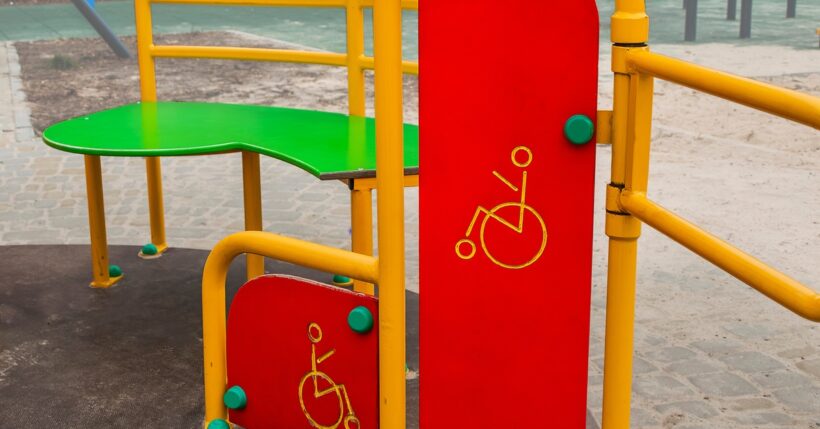
Playgrounds should be many things: joyful, chaotic (the good kind!), and full of laughter. What they should never be is exclusive. Incorporating inclusive playground features that make a difference isn’t just about compliance checklists—it’s about creating spaces where every child feels seen, valued, and free to play.
Physical Accessibility Is Just the Beginning
When most people hear “inclusive playground,” they just think wheelchair ramps. And yes, mobility access is critical. Ramped play structures, ground-level activities, transfer platforms, and wide pathways ensure that kids who use mobility devices can move freely. Planning the layout for a commercial playground also affects whether children of all abilities can comfortably navigate and socialize within the space. Pathways should connect all play zones, not separate accessible areas as an afterthought.
But accessibility doesn’t stop there. The inclusive playground features that make the biggest difference also consider sensory processing needs. Think quiet zones for kids who feel overwhelmed, sensory panels with tactile elements, musical components, and shaded retreat spaces. Not every child wants to cannonball into chaos—some need gentler entry points into play. Designing spaces that offer multiple ways to engage sends a powerful message: you belong here exactly as you are.
Representation Matters—Even on the Monkey Bars
Playgrounds are early social classrooms. The values we build into them reflect the world we want kids to grow into. Inclusive design can incorporate culturally diverse imagery, multilingual signage, and storytelling panels that reflect different families. When LGBTQ+ families see themselves reflected in public spaces, it quietly but powerfully reinforces belonging. Even something as simple as gender-neutral restroom signage can reduce anxiety for families who are tired of navigating unnecessary friction in public spaces.
Play That Encourages Cooperation
Traditional playgrounds often prioritize competitive play: who can climb the fastest, swing the highest, yell the loudest. Inclusive playground features flip that script. Group spinners, multiuser seesaws, accessible merry-go-rounds, and collaborative sensory walls encourage kids to interact with one another instead of competing against each other. These features help children develop empathy, communication skills, and confidence, all of which are social tools that matter far beyond the sandbox.
And when kids of different abilities, backgrounds, and identities play together from an early age? That’s how stigma starts to dissolve.
The Importance of Emotional Safety
Physical safety is essential. Impact-absorbing surfacing, proper equipment spacing, and shade structures all matter. But emotional safety is just as critical.
Clear signage promoting kindness. Community guidelines that discourage bullying. Visibility that allows caregivers to supervise without hovering. These design choices foster spaces where kids feel protected not just from falls but also from exclusion. For LGBTQ+ parents, especially, knowing that a playground prioritizes belonging can make the difference between a quick visit and a regular community hub.
Building the World We Want
At their best, playgrounds are tiny utopias. They’re places where imagination runs wild, identities aren’t policed, and joy is abundant.
Inclusive playground features aren’t “extras.” They’re investments in equity. They tell every kid—queer, disabled, neurodivergent, shy, loud, or somewhere beautifully in between—that there is space for them here. If we can build playgrounds where every child belongs, maybe we can build neighborhoods, schools, and societies that do the same.