
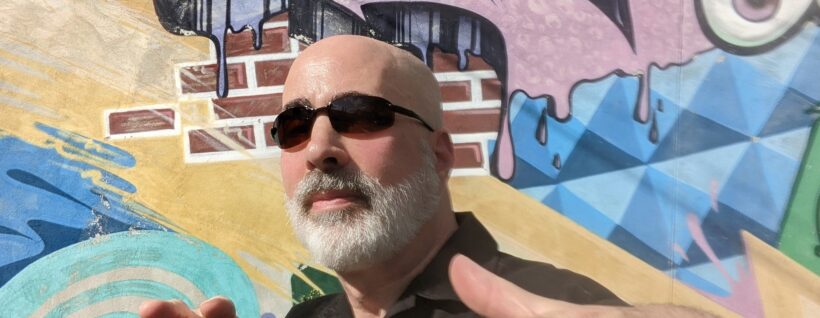
Danceteria, a globally renowned nightspot in Manhattan that opened in 1979, lost its lease at 30 W. 21st Street and went out of business in 1986.
“Danceteria was a utopia,” Sonic Youth co-founder Kim Gordon told V Magazine in 2022. “There were five floors within the structure, and each one had a different feel to it, a different vibe.”
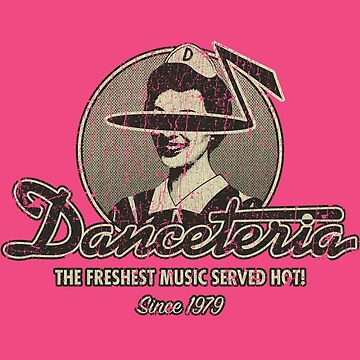
Housed in a former factory built in 1907, Danceteria was described by the media as a “supermarket of style” and a “punk version of Disneyland”. It was a boisterous yet safe space where “gays, straights, artists, junkies, goths, skinheads, lost uptowners, sexy Jersey chicks, curious guidos from the outer boroughs, pinheads, Studio 54 leftovers, weirdos from outer space, drag queens, S&M freaks, hookers, performers of all sorts, East Villagers galore, not to mention musicians of all kinds, got together,” said one of the club’s founders, Rudolf Piper.
Also prominent at Danceteria were important LGBTQ artists, personalities, and visionaries, including Jim Fouratt (the club’s co-founder), John Sex (singer and performance artist), Haoui Montaug (influential doorman and club programmer), Joey Arias (member of the club’s cabaret troupe), RuPaul (musical revue performer), and Klaus Nomi (an operatic vocal acrobat who was a staple on the downtown scene and an internationally acclaimed personality).
“I would call Danceteria a nation,” DJ Mark Kamins told author Tim Lawrence during a 2008 interview. “It was a new country, a new world, a special moment… Danceteria was one of those points in history where everybody was in the same place at the right time, and everybody just fed off each other.”
Rounding out the eclectic collection of pioneers drawn to Danceteria was an ambitious roster of talented employees whose creativity would eventually change the world.
Debi Mazar checked coats.
The Beastie Boys were custodians.
LL Cool J was a doorman.
Keith Haring was a waiter.
Jean-Michel Basquiat was hired, then quickly fired, as a mural painter (Piper found his work to be “fucking horrible”).
And Madonna operated the club’s manual elevator.
Each of these to-be superstars – who were authentic cultural influencers decades before annoying and self-promotional “influencing” became a thing – supported each other’s work, collaborated, and even dated (Basquiat and Madonna were a couple from 1982 to 1983).
Interestingly, over the last several years, the marketplace’s fascination with Danceteria has been bubbling. And starting this summer, the focus on Danceteria will explode worldwide.
Influential UK synth duo Soft Cell, whose members explored the early 80s downtown arts/culture/clubland scene of New York and were smitten by Danceteria, will release their latest and final album called “Danceteria.” Soft Cell’s Marc Almond, who’s currently performing across the States as part of the Generations Tour, said that the “Danceteria” album is a love letter to New York and the impression the city made on us back in the early ‘80s when it shaped us as artists and people.”
Madonna’s soon-to-be-released album “Confessions II” will include a spoken-word song, “Danceteria”. Produced with Stuart Price, “Danceteria” is about how she was discovered in the club by DJ Mark Kamins and got her first record deal. The track also serves as a nostalgic homage to her early 1980s days in the Big Apple, drawing stylistic comparisons to the rap section in “Vogue.”
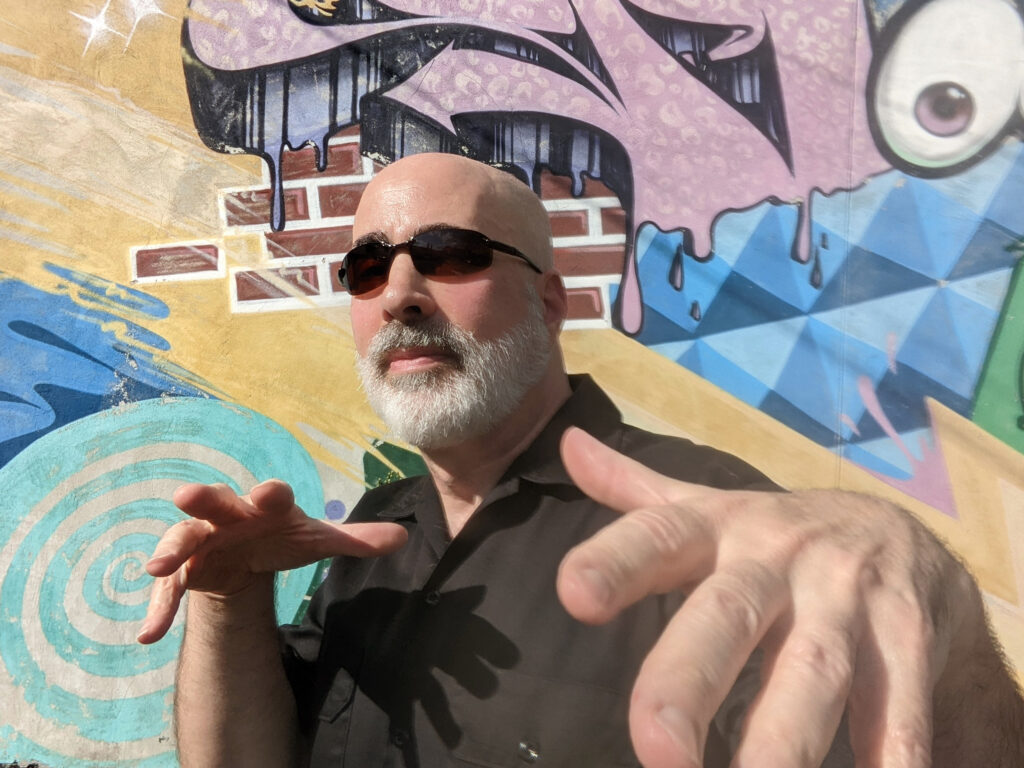
Bubbling beneath these high-profile paeans to Danceteria has been an effort by a New Jersey DJ whose weekly streaming mix show fastidiously replicates what it was like to explore the halls and hit the floor at the legendary night spot.
Launched in late 2022, Danceteria REWIND – created by veteran spinner Rafe Gomez in his basement studio – features an eclectic journey across the sounds that filled the ears and moved the hips of Danceteria’s patrons. His weekly two-hour show, which has been featured in Forbes, Billboard, Startups Magazine, and NPR, is introducing the club’s infinite musical buffet to a Gen Z and millennial audience that comprises over 60,000 global followers.
“The most fascinating element of Danceteria was the unpredictability of what you were going to hear next,” says Gomez, whose resume includes stints during the aughts as an acclaimed radio mix show DJ, QVC host, and studio remixer. “Each night, your ears would be filled with an endless variety of flavorful beats – including reggae, early rap, Latin boogaloo, pioneering EDM, disco, new wave, glam, 60s bubblegum, 70s funk, goth, industrial, electro, obscure crate digger jams, Afrobeat, experimental tracks, and more. It was fun, it was fresh, and it was like nothing else I had ever heard.”
Gomez’s first taste of Danceteria happened when he used a fake ID that he bought at a Times Square video arcade to get into the club (he was a teen at the time).
“Coming from the suffocating cultural hellscape of early 80s northern New Jersey, Danceteria was an entirely new and fantastic world to explore,” he says. “The club’s combination of kitsch and nostalgia in its branding, along with its incredible design, multi-floor awesomeness, and musical fearlessness, changed my worldview and made me a wide-eyed fanboy.”
It’s important to note that Danceteria REWIND, which livestreams Thursday nights on Twitch from 8 to 10 PM EST, isn’t a simple tribute mixtape or Spotify-type playlist: according to Gomez, it’s a historically accurate, seamlessly blended, and highly curated DJ set that re-creates the joy, excitement, and surprise of the multi-genre Danceteria experience.
“When I’m interacting with my listeners in the chat during the livestream, it’s a rush to see the reaction when certain songs play that get them amped,” says Gomez. “Even though most have never heard the tracks before and weren’t even born when Danceteria was a thing, the fact that they connect with the merge of eclectic rhythms that was the club’s signature is an inspiration. It’s also a testament to the longevity, inclusivity, and diverse appeal of the magic that the club served up, and I’m honored to be a part of its discovery and resurgence.