
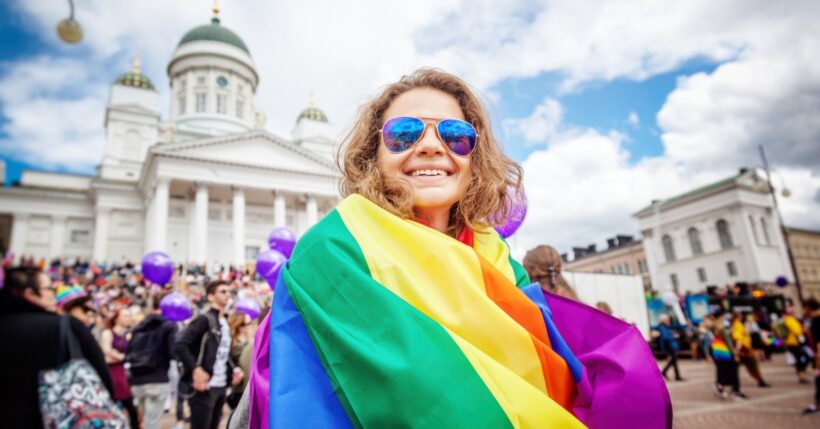
For a lot of people, safety is the first question that comes up before booking a trip, and that’s completely fair. If you’re asking if it’s safe to visit Italy as an LGBTQ+ traveler, the honest answer is yes, for most travelers. Italy has legal protections, visible queer spaces in major cities, and a long track record as a major international destination.
At the same time, it isn’t equally comfortable in every setting. Some places feel easy and welcoming right away, while others feel more conservative and less open. That mix is what travelers need to know before they go.
Same-Sex Couples Aren’t Breaking Any Law by Being Themselves
A useful thing to know up front is that same-sex relationships are legal in Italy, and Italy recognizes same-sex civil unions. For LGBTQ+ travelers, that removes one of the biggest underlying fears people can have before a trip: you’re not entering a place where your relationship itself is treated as illegal.
Italy still has gaps in equality, and that shows in the broader culture too. Some places feel openly accepting, while others feel more conservative. But from a travel standpoint, being openly LGBTQ+ isn’t itself a legal problem.
Reactions Depend on the Setting
Italy doesn’t give LGBTQ+ travelers the same social experience in every location. In Rome, Milan, Florence, and other major tourist centers, same-sex couples and gender-nonconforming travelers are less likely to stand out because those areas see a steady mix of international visitors, younger crowds, and public diversity.
In smaller towns, public reactions can feel more personal and more visible. That can include staring, whispered remarks, or disapproving looks. Those reactions can make someone feel singled out and unwelcome, even when nothing escalates beyond that moment.
Crimes Are Low in Most Tourist Areas
For LGBTQ+ travelers who are worried about personal safety, violent crime isn’t a major concern in most parts of Italy. One thing that helps make Italy such a safe country for travel is it’s low crime rate and effective public safety measures. In the places most visitors spend time, the more common issue is petty theft, not targeted violence. That doesn’t erase the chance of rude behavior or uncomfortable moments, but it does mean the bigger safety concern for most travelers is the same one other tourists deal with: watching your bag, your phone, and your surroundings.
Visible Queer Spaces Exist in Italy
Italy’s bigger cities have established LGBTQ+ venues, organizations, and public events. In Rome, Gay Street near the Colosseum is a known gathering area, and Coming Out is one of the best-known gay bars there. In Bologna, the Cassero LGBTQIA+ Center hosts events and nightlife. In Milan, Porta Venezia has a visible queer scene, and CIG Arcigay Milano is a major LGBTQ+ organization based in the city. Italy also has large public events like Roma Pride. Travelers who want queer-friendly nightlife, community spaces, or public LGBTQ+ presence can find them in major cities without digging around.
Why Many LGBTQ+ Travelers Still Enjoy Italy
So, is it safe to visit Italy as an LGBTQ+ traveler? For most people, yes. Italy isn’t the most LGBTQ+ friendly country in Europe, but it’s also far from the most conservative or uncomfortable. Most LGBTQ+ travelers have a wonderful experience there, especially when they plan with a little awareness.
If you’re visiting, it’s smart to stick to southern destinations like Naples, Palermo, and Catania, which have established LGBTQ+ communities and are known for being lively, social, and used to visitors. Rural areas, especially farther north, can bring more staring, more conservative attitudes, and fewer openly LGBTQ+ spaces. Even with that, Italy offers incredible food, history, nightlife, coastlines, and city life, and for many travelers, the trip is absolutely worth it.