
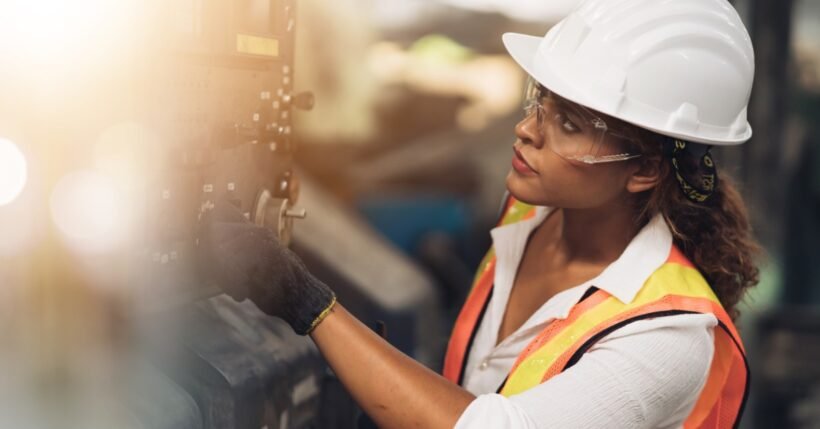
Learning why inclusive workplace policies matter in skilled trades may not sound super important. However, if you walk onto any modern shop floor, you’ll see welders, electricians, and pipefitters who look nothing like the workforce from 20 years ago.
Women hold torches. Immigrants run crews. Workers with disabilities operate machinery once considered off-limits to them. The trades have played a massive role in shaping this country, and now the trades need policies that accurately reflect their current workforce.
A Workforce That Looks Different From Past Generations
The skilled trades face a labor shortage that older generations have warned about for years. Contractors scramble to fill positions as veteran tradespeople retire. Companies that once hired from a narrow pool now recruit from every background and community they can find. Many strategic shop owners noticed this shift early and reformed their hiring practices and break room culture to attract a more diverse candidate base.
Safety Gear and Facilities Need an Update Too
Inclusion isn’t just about who gets hired. It’s about making sure everyone can do their job safely and comfortably. Stocking only men’s medium gloves and boots leaves too many people wrestling with gear that just doesn’t fit.
Today’s facilities managers pay attention to the details: private changing areas, adjustable equipment, and, yes, storage for chemical suits for long-term use. When every worker has protective gear that truly fits and functions, safety improves for everyone.
Overlooking these details isn’t just inconvenient; it can put people at real risk. Paying attention to the small things shows workers that their safety and comfort matter every single day.
What Inclusive Trade Practices Actually Look Like
Progressive trade employers know that lasting changes require more than good intentions. They must center their policies around a few core practices:
- Written anti-harassment policies with clear reporting steps
- Mentorship programs that pair veteran tradespeople with newcomers
- Flexible scheduling for workers balancing family or health needs
- Regular pay audits that catch and correct gaps
- Safety gear stocked in a full range of sizes
These steps cost less than most owners expect, and they pay for themselves through lower turnover. Investing in inclusion strengthens loyalty and builds a culture where people want to stay.
The Business Case Beyond Fairness
Companies with inclusive policies retain workers longer and recruit faster in a tight labor market. Crews that feel respected communicate better on the job site, which cuts down on costly errors and injuries.
Word spreads fast in trade communities, and shops known for fair treatment attract applicants that competitors will never see. New apprentices often choose employers based on reputation alone, long before they step onto the job site. Fairness and good business sense are key metrics that deserve your attention.
Understanding why inclusive workplace policies matter in skilled trades starts with looking at who fills these jobs today. The workforce and industry equipment have both changed radically, and the policies of industrial warehouses and plants need to catch up.
Shops that adapt now will staff their crews with skilled workers for decades to come, while shops that resist will keep scrambling to fill open positions. The trades reward those who build a workplace where everyone can do their best work.